2026-10-24 ·
Hurricane Season Roof Checks for Tamarac Homes
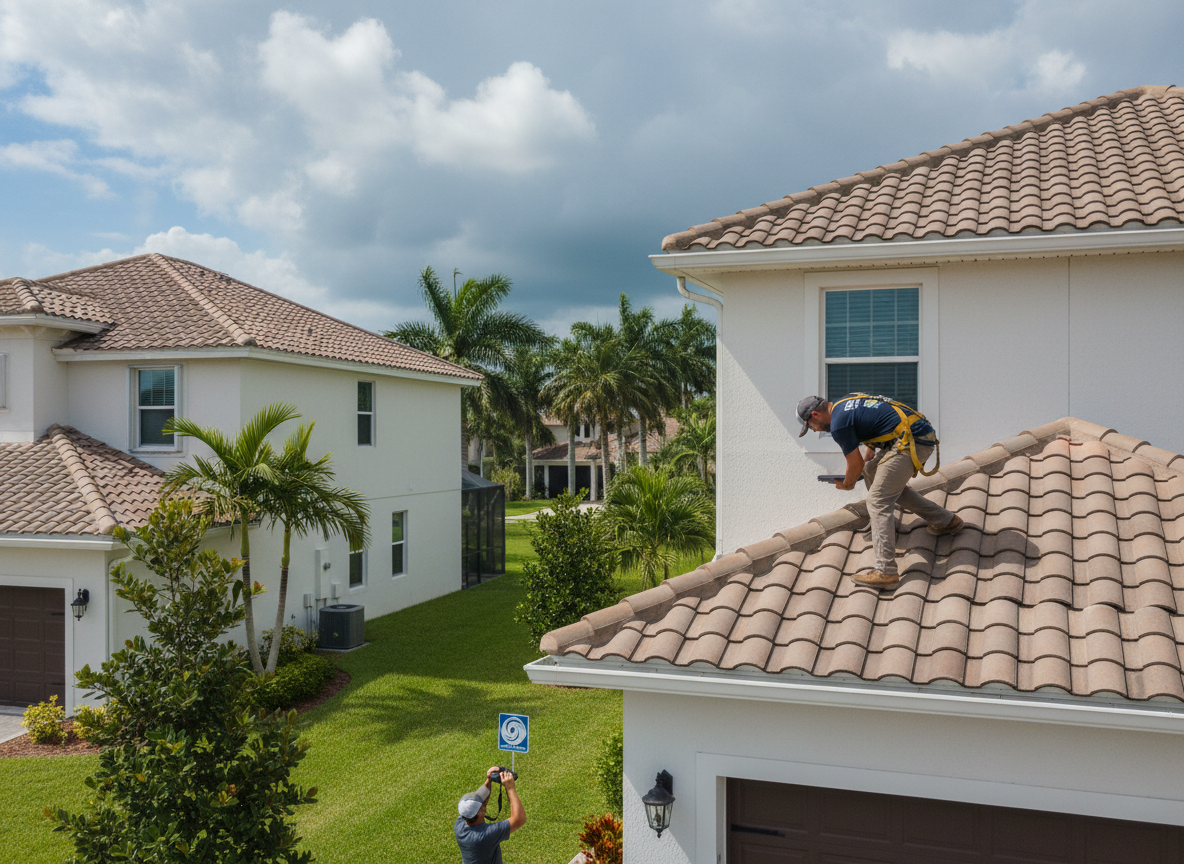
Tamarac homes benefit from preemptive roof checks that focus on wind uplift at edges and water intrusion at valleys before hurricane season peaks. Many properties in neighborhoods near Commercial Boulevard and Woodlands show wear from repeated heavy rains combined with gusts that exceed 40 mph even in non-hurricane events.
Pre-Season Visual Checks from the Ground
Walk the perimeter of your Tamarac property and scan for lifted shingles or missing granules along the south and east exposures, where prevailing winds hit hardest. Note any sagging along the ridge line on homes built with older truss systems common in the 1980s and 1990s stock throughout Tamarac and nearby Margate. Check that gutters remain securely fastened; loose sections allow wind-driven rain to reach fascia boards quickly during afternoon thunderstorms. Look for debris accumulation in valleys where oak and palm fronds collect, creating dams that force water under underlayment. These ground-level observations reveal most surface issues without requiring ladder access and help prioritize areas before calling for a full roof inspection services.
Wind and Rain Vulnerabilities Specific to Tamarac
Tamarac sits in Broward County where summer convection storms deliver 2–4 inches of rain in under an hour, testing every roof penetration. Asphalt shingle roofs prevalent in subdivisions off Pine Island Road often lose seal strips after five to seven seasons of UV exposure, allowing wind to peel corners during gust fronts. Tile roofs in sections closer to Coral Springs can shift when mortar beds crack from thermal expansion, creating entry points for wind-driven water. Flat roof sections on commercial-adjacent homes near 6401 W Commercial Blvd frequently develop ponding after debris blocks scuppers. These patterns repeat across Sunrise and Plantation as well because the same soil subsidence and high water table affect drainage slopes on many lots. Documenting these conditions early lets owners address small fixes before season arrival.
Post-Storm Assessment Steps
After any named storm or strong thunderstorm, inspect interior ceilings in Tamarac homes for new discoloration, especially near bathroom vents and skylights where wind-driven rain often enters first. Examine exterior soffits for pulled nails or displaced panels that indicate uplift forces along the eaves. Check attic insulation for damp spots that signal underlayment failure even when shingles appear intact from the street. Compare photos taken before and after the event to spot shifted tiles or lifted flashing around chimneys common on 1970s–1990s construction in North Lauderdale. If water stains appear or granules collect in gutters, schedule storm damage roof repair promptly to prevent further interior damage.
When Professional Evaluation Becomes Necessary
Homeowners should request professional assessment when multiple missing shingles appear in one area or when interior leaks develop within 48 hours of heavy rain. Tamarac properties with roofs approaching 15–20 years often need closer scrutiny of underlayment integrity rather than surface patches alone. A qualified crew can evaluate fastener pull-out on older decks and recommend targeted repairs before full replacement becomes necessary. Readers can review Florida wind code requirements for Tamarac roofs to understand current fastening standards that apply during any re-roofing work. For 24/7 response after an event, contact ZenithFixers at 6401 W Commercial Blvd, Tamarac, FL 33319.